I recently noticed a curious pattern—almost scientific in its consistency. Among my friends, colleagues, and acquaintances, those who support figures like Bola Ahmed Tinubu, Nyesom Wike, and Dave Umahi—regardless of their actions—often turn out to be the same people who defend global strongmen like Vladimir Putin, Donald Trump, and Benjamin Netanyahu, no matter the circumstances.
That realization set off a deeper line of thought. Perhaps what—and who—we choose to support is not random at all. It may reflect underlying psychological patterns, personality profiles, social conditioning, and emotional needs we are barely conscious of. In that sense, our loyalties can act as mirrors, revealing more about us than about the people and behaviors we defend or condone.
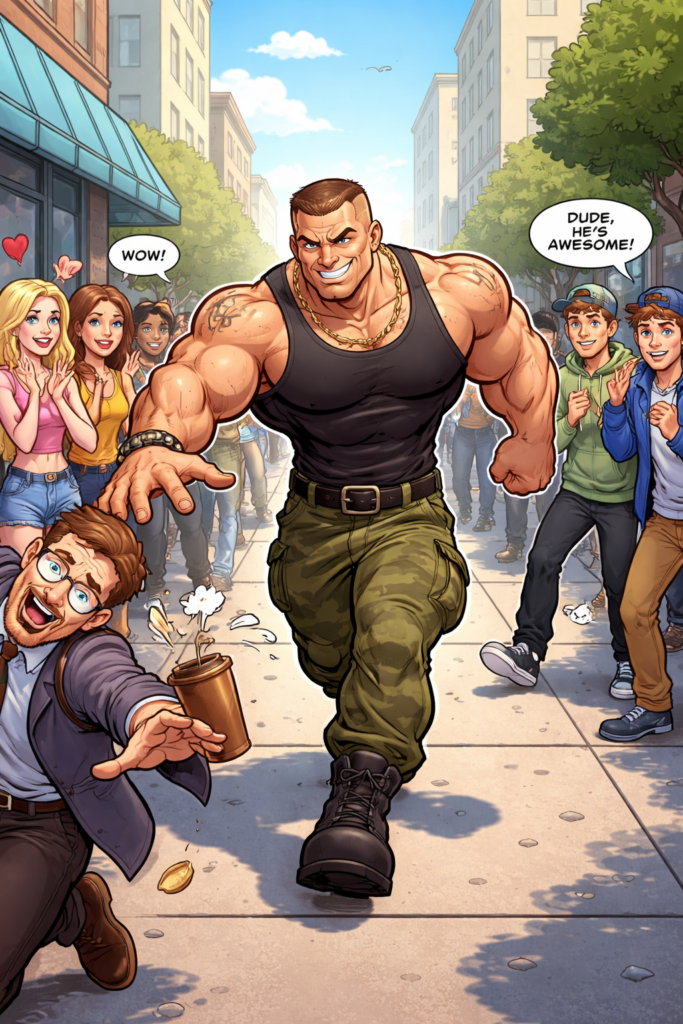
So why, for instance, do some individuals instinctively justify or excuse bullying behavior, especially when it comes from authority figures? What do they gain from it? And what might it reveal about their inner world?
I decided to outsource the question to the ever-unemotional oracle of our time—AI. I asked:
“What does psychology say about people who consistently defend, justify, or support bullies, ‘strongmen,’ and authority figures—even when their actions are widely seen as unethical or socially inappropriate?”
The answer, as you might expect, was… revealing:
“Psychology suggests that people who support bullies and those in power are often motivated by self-preservation, social survival, and the desire for status rather than genuine malice. This behavior is frequently a strategic response to a perceived power imbalance.
Core Psychological Drivers
Fear and Self-Preservation: Many align with a bully to ensure they do not become the next target. By appeasing or supporting the aggressor, individuals believe they are securing their own safety in a “survival of the fittest” mindset.
Social Capital and Status: Supporters often see the bully as a high-status leader and align with them to “borrow” that authority and climb the social ranks.
The Need to Belong: A desperate need for group acceptance can drive people to join in or cheer on bullying to avoid social exclusion or being cast as an “outsider”.
Moral Disengagement: Using mechanisms like victim-blaming, supporters convince themselves the target “deserves it,” which relieves them of the guilt or pressure to intervene.
Group Dynamics and Theories
Social Dominance Theory: Humans naturally form group-based hierarchies; bullying serves to maintain these structures, and supporters help solidify the bully’s position at the top.
The Bystander Effect: When others are present, individuals often feel a diffusion of responsibility, assuming someone else will act or that their own silence is acceptable because the group is also silent.
Conformity and Social Learning: People, especially in group settings, tend to imitate rewarded behavior. If they see aggression resulting in power or status, they are more likely to support or replicate it.
Intermittent Reinforcement: Bullying dynamics can be addictive; the unpredictable nature of a bully’s favor can make supporters work harder to stay on their “good side”.
Identifying the Supporter Types
Reinforcers: These individuals actively encourage the bully by laughing or providing an audience, which validates the bully’s behavior.
Assistants: These “toadies” do not start the bullying but join in once it has begun to curry favor with the powerful.
Passive Supporters: People who do not take part but clearly signal their approval of the bully, further isolating the victim.”
*This is a three-part series. Next, we will explore how victims can break these power dynamics or how organizational culture can discourage such behavior.
