
A commercial autopsy of once-familiar names which lost relevance, and the unforgiving verdict of the marketplace
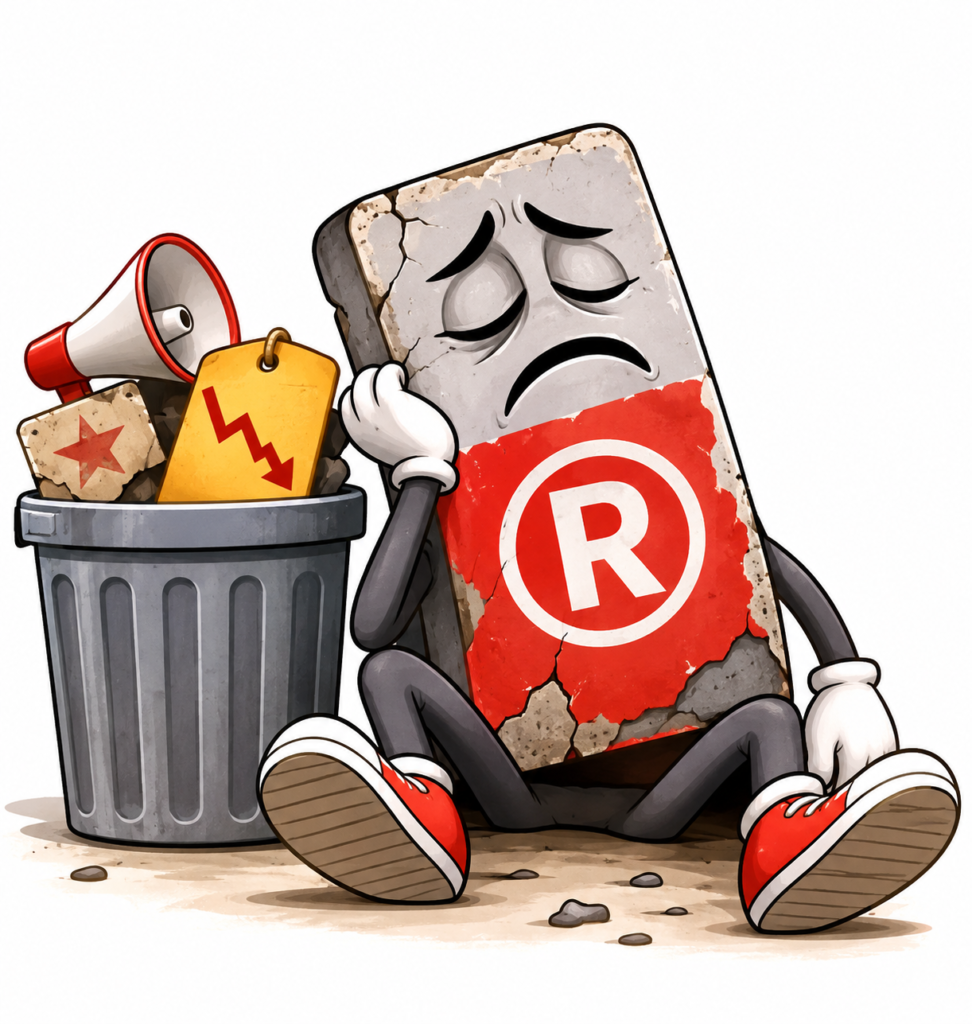
There was a time when certain brand names needed no introduction.
Omo. Elephant Blue Detergent. Asepso. Lux. Carnation Milk. Green Sands Shandy. Tandi Gurana. Pronto. Vitalo. Okin Biscuits. Goody-Goody. Tree Top. Babeena. Trebor Peppermints…
They were not merely products. They were fixtures of Nigerian domestic life. They sat on our dressing tables, filled the shelves of neighbourhood provision stores and shaped the everyday rituals through which generations experienced consumption. We remember the colours, the fragrance, the taste, even the shop where we bought them, and the quiet confidence of knowing exactly what we were getting.
Then, almost imperceptibly, things changed. Some grew harder to find. Others surrendered shelf space to more aggressive rivals. Some slipped out of household budgets or faded into nostalgic conversation. What happened? These questions deserve more than nostalgia. They demand a commercial autopsy. For in marketing, a brand does not survive because people remember it. It survives because people still have a compelling reason to choose it.
So here is the central question: does the market kill a brand, or does the brand, through a thousand avoidable decisions, first make itself irrelevant?
The Dangerous Comfort of Leadership
One of business’s most seductive traps is the belief that yesterday’s success guarantees tomorrow’s loyalty. Market leadership can become a sedative. Managers mistake familiarity for permanence and market share for entitlement. The consumer owes no brand eternal allegiance. Nokia is the instructive global case.
In Nigeria, owning a Nokia was once a statement of reliability, and the legendary 3310’s durability passed into anecdote. Yet smartphones, touchscreens and app ecosystems were redefining the category. Nokia saw the change coming. What it could not do was turn awareness into a winning response. Recognising change is not the same as responding successfully to it.
The same danger stalks Nigerian brands. A manufacturer dominant for two decades may assume its distribution, name and packaging will protect it, while a rival studies the consumer, adjusts pack sizes and builds a sharper value proposition. By the time the leader wakes up, the consumer has moved on.
The Provision Store Owner Knows
Once, a household shopping list could be drawn up with confidence: this detergent, that milk, those biscuits. Today, inflation has made every naira a deliberate decision. The provision store owner understands this intuitively. He knows which detergent a customer used to buy, which alternative she now requests, and the price at which she will abandon a product. He holds no marketing degree, but he conducts consumer research at the counter every day.
The mother who bought milk in a large tin now prefers smaller packs. The household that bought premium soap has migrated to a cheaper one. These are not signs of disloyalty. They are expressions of changed circumstances. The question for brand managers is whether they are listening. Did consumers abandon the brand, or did the brand abandon its understanding of consumers?
Promise and Price
Advertising sells the promise; the product must deliver it. A household switches to a new detergent because a commercial promised superior cleaning. The first purchase is curiosity. The second is verdict. If it needs more powder or leaves stains, the consumer reconsiders. A brand is not what its advertising says it is. It is what the consumer experiences it to be. Price tells the same story. A brand can price itself out of the market or destroy its equity by cutting prices or quietly reducing contents without good reason. Repeated reductions teach a strained household that the brand is taking advantage of it.
Affordability may win the transaction. Perceived value wins the relationship.
The Silent Killer: Distribution
Can a brand call itself a market leader if the consumer cannot find it when ready to buy? Picture a customer who asks a provision store for her familiar detergent. The shopkeeper says it is out of stock and recommends another. She tries it. It does well enough. She buys it again next week. Before long, the substitute is on her regular list.
The retailer is no sentimental custodian of brand heritage. He cares about margins, credit terms and how fast stock moves. If a competitor offers better incentives and reliable supply, he has a rational reason to favour it. A brand’s battle is fought not only in the consumer’s mind but also in the distributor’s warehouse and the retailer’s shop.
Availability is a form of marketing. Every empty shelf is an invitation to a competitor.
Seeing the Future Is Not Owning It
Kodak is often described as the company that refused digital photography. The truth is subtler. Kodak developed digital imaging technology and took part in the transition. What it could not do was build a business to replace the economics of its profitable film empire. Many organisations know change is coming yet struggle to act, because the new model threatens the old.
A bank with polished mobile apps but cumbersome complaint processes has a cosmetic transformation. A retailer with an online platform that cannot guarantee delivery has not reinvented itself. Innovation is not a launch or a social-media account. It is creating new value that consumers recognise and will pay for.
Trust, and the Customer Who Leaves Quietly
Trust is among a brand’s most valuable assets and among the hardest to rebuild. In Nigeria, where word of mouth flows through family WhatsApp groups and office conversations, a disappointed customer becomes a persuasive critic. But the customer brands should fear most is not the one who complains loudly. It is the one who leaves quietly and never returns. Trust is built in small moments of truth, and advertising cannot do the work of institutional credibility.
When the Boardroom Loses the Marketplace
Some brands decline not for lack of information but because uncomfortable information cannot travel. The management meeting becomes a theatre of reassurance: optimistic forecasts, softened distributor concerns, complaints reduced to isolated incidents. Nobody wants to tell the Managing Director or the Commercial Director the product is losing relevance.
Yet the field sales representative who visits thirty shops a day may know more about the category than the executive reading a polished monthly report. The distributor complaining about late supplies may be sounding an early alarm. Who in your organisation is permitted to tell the boss that the brand is losing?
Nostalgia Is Not a Strategy, and Not Every Fall Is a Failure
A brand may be fondly remembered by people who have not bought it in twenty years. That affection is valuable, but it is not current demand. The market does not buy memories. It buys solutions, experiences and value.
Still, intellectual honesty demands a caveat. Not every decline is bad management. Exchange-rate volatility, inflation, energy costs, import restrictions and the cost of finance can make manufacturing and distribution brutal. A competent team with a sound product can still be trapped by costs that make its price uncompetitive. Good analysis asks two questions together: what did management get wrong, and what was it reasonably powerless to control?
The Brand Failure Chain
Decline is cumulative. I propose a simple framework for how it unfolds.
1. Market signals are ignored. Preferences shift, rivals innovate, costs rise. The market warns, and the organisation does not hear.
2. Strategic decisions lag. Investment is delayed, differentiation weakens, pricing drifts from consumer reality.
3. Customer value erodes. The product becomes less relevant, accessible, affordable or dependable.
4. Repeat purchase weakens. Consumers experiment, and some switch for good. Awareness survives; the buying habit does not.
5. Commercial consequences emerge. Sales fall, shelf space shrinks, marketing budgets are cut, and the brand is repositioned, sold, withdrawn or allowed to fade.
By the time decline shows in the financial statements, the damage may have been building for years.
The Final Verdict
Brands are not permanent fixtures. They are living commercial propositions, sustained by a continuous exchange of value. Do not confuse awareness with affection, affection with loyalty, or past market share with future security.
The consumer is not obliged to preserve your heritage. Your competitor is not obliged to respect your history. And the market has no sentimental attachment to your balance sheet.
So, ask the uncomfortable question: if we were launching this brand today, would consumers still have a compelling reason to choose it? It is far cheaper to confront that in the boardroom than to discover the answer on an empty shelf.
A brand does not die the day it disappears from the shelf. It begins to die the day consumers can no longer find a good reason to pick it from a crowded shelf.
PS: This subject is too rich for a single article. There’ll be follow-up series to comprehensively exhaust the subject-matter.
**Ken Ihedioha, a marketing and sales veteran, writes from Lagos.
