
I have just finished reading the fascinating article by Victor Anazonwu on the above subject, published in The Renaissance Online Magazine, on Friday, 20th March, 2026. I am tempted to add that beyond psychology and sociology, there are other dimensions to the problem of uncritically supporting people in power.
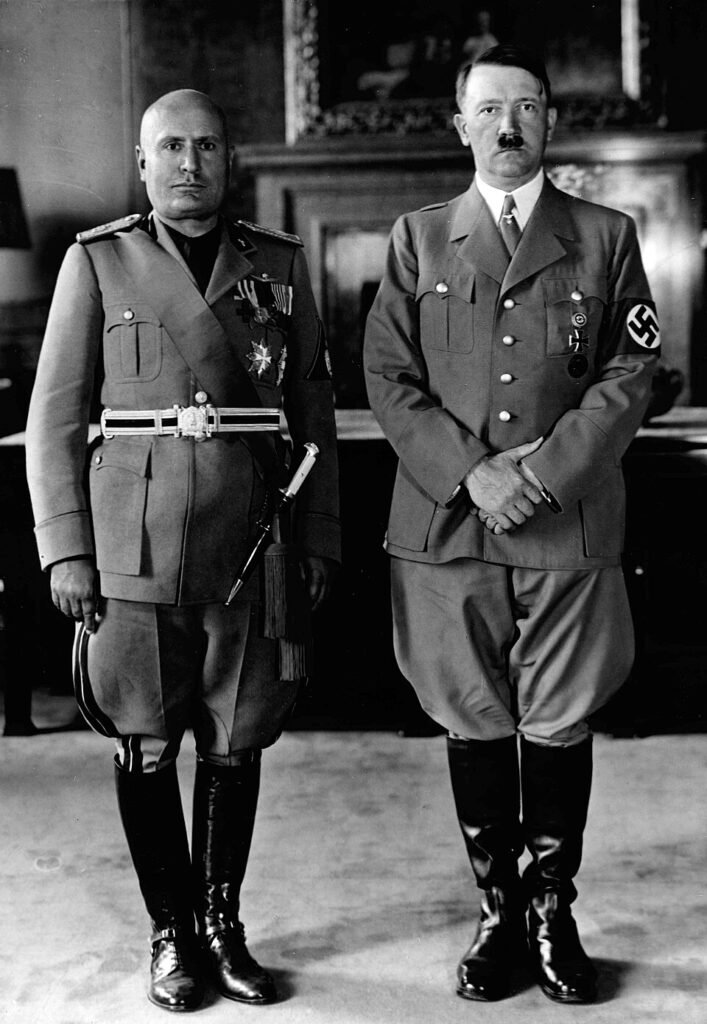
History, for instance, offers sobering parallels. Figures like Adolf Hitler, Benito Mussolini, and Mao Zedong commanded deep loyalty from followers who often justified or ignored escalating harm—only for those allegiances to culminate in widespread suffering and national catastrophe.
In each case, devotion to authority, identity, and perceived strength overrode critical judgment, with consequences that outlived the leaders themselves.
There is also the role of moral flexibility. People often apply ethical standards unevenly, especially when authority or group identity is involved. Through mechanisms like moral disengagement, supporters may justify harmful behavior, convincing themselves it is necessary, deserved, or exaggerated. Group dynamics further reinforce this: when aggression is rewarded with status, others are more likely to endorse or imitate it.
Ultimately, what we defend reveals how we navigate the tension between security and justice, belonging and independence. Support for powerful figures—especially in the face of controversy—may not simply reflect agreement with their actions, but a deeper orientation toward order, identity, and survival in a world perceived as uncertain. History, however, reminds us that uncritical loyalty to power can carry consequences far beyond the intentions of those who give it.
Okoli writes from Apapa, Lagos.
